Plutonian-Arena (Stellar Void)
High-Fidelity, Enterprise-Grade Multiplayer Space Combat
TYPE
Multiplayer Space Combat
PLATFORM
Mobile (Android & iOS)
ENGINE
Unity with Photon Fusion
Gameplay & Systems Preview
Summary
Plutonian-Arena (Stellar Void) is a real-time space combat game developed in Unity, built as a robust, production-ready foundation and optimized for mobile platforms (Android and iOS). At its core, the project features a dedicated server multiplayer architecture designed to deliver reliable, low-latency gameplay at scale, supported by backend systems built for live operations, monetization, and future growth.
The Client Challenge: Reliability & Scalability
The primary objective was to design an enterprise-grade multiplayer solution capable of supporting global scaling and long-term live operations. This required addressing several critical challenges:
Mandatory Dedicated Servers
Implementing an authoritative networking model to prevent cheating, reduce desynchronization, and remove host dependency.
Scalable Matchmaking & Orchestration
Automatically deploying and managing server instances on demand to support fluctuating player loads.
Mobile Performance
Delivering stable, low-latency, high-fidelity gameplay on mobile platforms without compromising gameplay depth.
Live Operations Readiness
Building backend systems that support player progression, monetization, analytics, and ongoing content updates.
Extensibility
Designing a modular architecture that allows new features and business logic to be added without major refactoring.
Our Technical Solution: Dedicated Server Architecture
We implemented a scalable, cloud-ready multiplayer topology designed for reliability and long-term maintainability.
Key Technologies
- ▸Authoritative Networking: Photon Fusion for deterministic, server-controlled real-time gameplay
- ▸Server Orchestration: Edgegap for automated matchmaking, ticket generation, and on-demand server deployment
- ▸Server Stack: Linux-based dedicated server builds, containerized using Docker for consistency and portability
- ▸Backend Integration: PlayFab for player authentication, persistent data storage, and statistics tracking
High-Level Match Flow
- Players initiate matchmaking, generating tickets via Edgegap APIs
- Once the required player count is reached, a dedicated server instance is automatically deployed
- Players connect to a fully authoritative server, ensuring fair, synchronized gameplay
This approach significantly reduces cheating risks, improves stability, and ensures predictable performance—key requirements for enterprise-level multiplayer products.
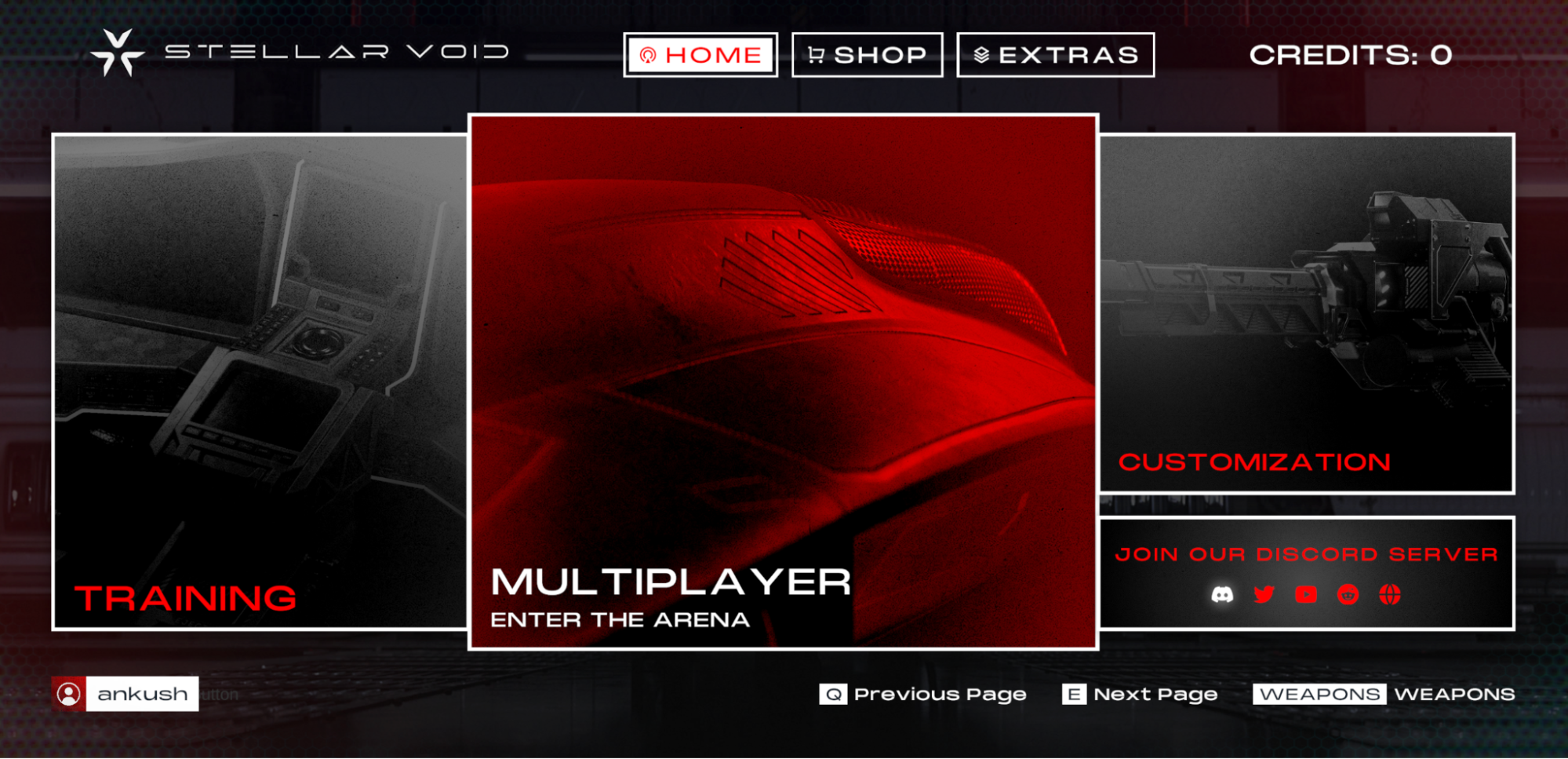
Scope & Features
The project delivers a unified gameplay experience across single-player AI combat and dedicated multiplayer:
Core Mechanics
Immersive cockpit-based first-person camera, full ship control (movement, speed, firing, rotation)
Ship Systems
Modular weapon system with categorized loadouts (Primary, Alternate, Defensive, Utility, Passive)
Customization
Ship materials and skins for visual personalization
Environment
Dynamic obstacles such as asteroids that impact combat and navigation
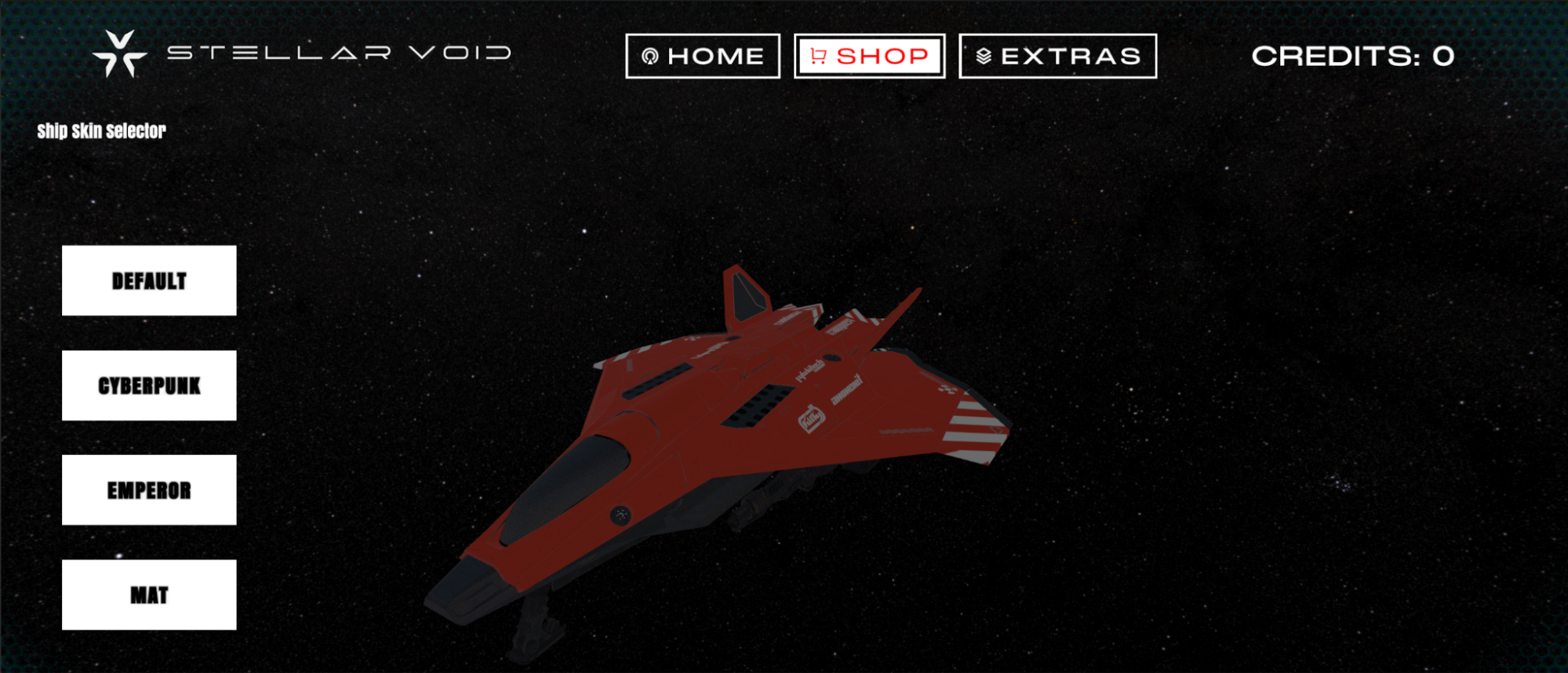
Live Operations & Business Readiness
Beyond gameplay, Plutonian-Arena was engineered with commercial viability and long-term operations in mind:
Monetization
Integrated Ads functionality for revenue generation
Data Management
Persistent player data, legacy statistics tracking (kills/deaths), and clean data separation
Analytics & Growth
Architecture prepared for analytics, balancing, tuning, and future live events
Value Delivered & Project Success
Through iterative development, strong system ownership, and close coordination across gameplay, networking, and backend systems, the project achieved:
Production-Ready Foundation
A stable, high-performance multiplayer core using dedicated servers.
Scalability & Reliability
Infrastructure capable of supporting live matchmaking, player growth, and global deployment.
Long-Term Cost Efficiency
Modular and extensible architecture that reduces future development effort and maintenance overhead.
Reduced Delivery Risk
Early validation of complex multiplayer workflows ensured system stability and minimized technical debt.