Back to Home
GAME DEVELOPMENT

Number Rangers

Competitive math strategy built for kids, featuring AI practice, real-time multiplayer, and persistent progression.

TYPE

Competitive Math Strategy Game

MODES

Single Player (AI) & Multiplayer (PvP)

ENGINE

Unity

Number Rangers gameplay interface

Multiplayer lobby and round HUD showcasing the fast-paced, number-driven decision loop.

Project Pillars

  • >Kid-friendly presentation layered over deterministic competitive systems
  • >Unified round resolution powering both AI and global multiplayer
  • >Persistent player data with safe fallbacks for young audiences

Gameplay Video

Gameplay capture will be added soon. Explore the system breakdown and UI highlights below in the meantime.

Summary

Number Rangers is a strategy-forward math game built in Unity, blending friendly visuals with an algorithmic core that rewards quick reasoning. The experience ships with both single player (player versus AI) and multiplayer (player versus player) modes, each driven by the same deterministic round logic to maintain fairness across all match types.

Real-time matchmaking, global connectivity, and persistent player progression anchor the product. The result is a casual-friendly game that still supports skill-based competition through an ELO ranking ladder and clear feedback loops designed for younger players.

Gameplay & Systems Preview

Rounds are quick, readable, and tightly structured. Each decision locks in within seconds, with results surfaced through color-coded summaries, comparison panels, and celebratory feedback. The UI maintains clarity even when presenting probability-driven outcomes, keeping the focus on strategy rather than chance.

Multiplayer pacing mirrors single player flow, ensuring that practicing against the AI directly prepares players for global competition once matchmaking connects them.

The Design Challenge

The project needed to deliver a math-centric competitive game that:

  • >Feels approachable and fun for kids
  • >Encourages logical thinking and strategy over pure luck
  • >Supports both offline-style play against AI and online real-time multiplayer
  • >Remains fair, cheat-resistant, and scalable for global users
  • >Maintains persistent player data and progression across sessions

Key challenges included building a deterministic algorithm that players can easily understand, creating low-friction global matchmaking, safeguarding data for younger audiences, and allowing variable-length matches without breaking competitive balance.

Core Game Concept

Gameplay revolves around fast numerical decisions:

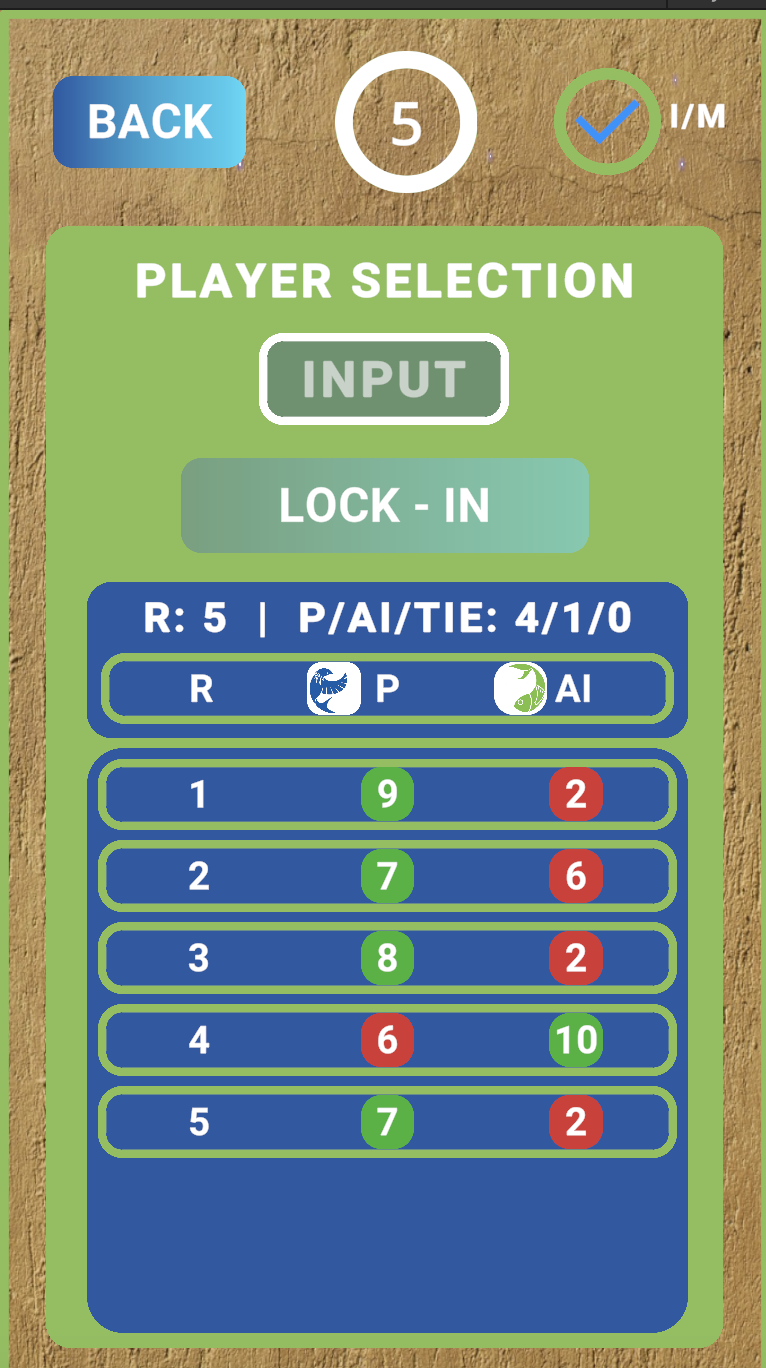
  • >Players choose a number between 1 and 20 each round
  • >A fixed threshold of 10 drives win, loss, or tie outcomes
  • >A centralized evaluation method resolves both AI and PvP matches
  • >The first player to secure four round victories wins the match
  • >Matches extend as needed until a winner emerges, keeping tension high
Round input selection UI

Round input phase: players lock in selections before simultaneous reveal.

Our Technical Solution

Round Evaluation Logic

A single evaluation method compares both players against the threshold, returning deterministic outcomes: player win, opponent win, or tie. This shared logic powers AI and PvP matches alike, streamlining balance updates and reducing the risk of mode-specific bugs.

By centralizing resolution, tuning adjustments roll out instantly across all playlists without divergence.

Single Player (Player vs AI)

  • >Controlled AI logic keeps outcomes fair and readable
  • >Save-state support resumes the exact round after mid-match exits
  • >No ELO impact, making this mode ideal for practice and onboarding

Multiplayer (Player vs Player)

  • >Photon Fusion handles global 1v1 matchmaking with smart retries
  • >Shared game logic mirrors the AI mode for consistent expectations
  • >Visible countdowns and confirmation panels keep both players synced

ELO System

ELO updates only occur in multiplayer. Winners gain rank, losers lose rank, and ties preserve standing. Visual identity badges (Bird vs Fish) shift based on rating, reinforcing skill tiers without punishing casual play.

Because AI matches sit outside the ranking ladder, new players can practice freely before entering competitive queues.

Match Flow

Every session follows a clear, repeatable loop:

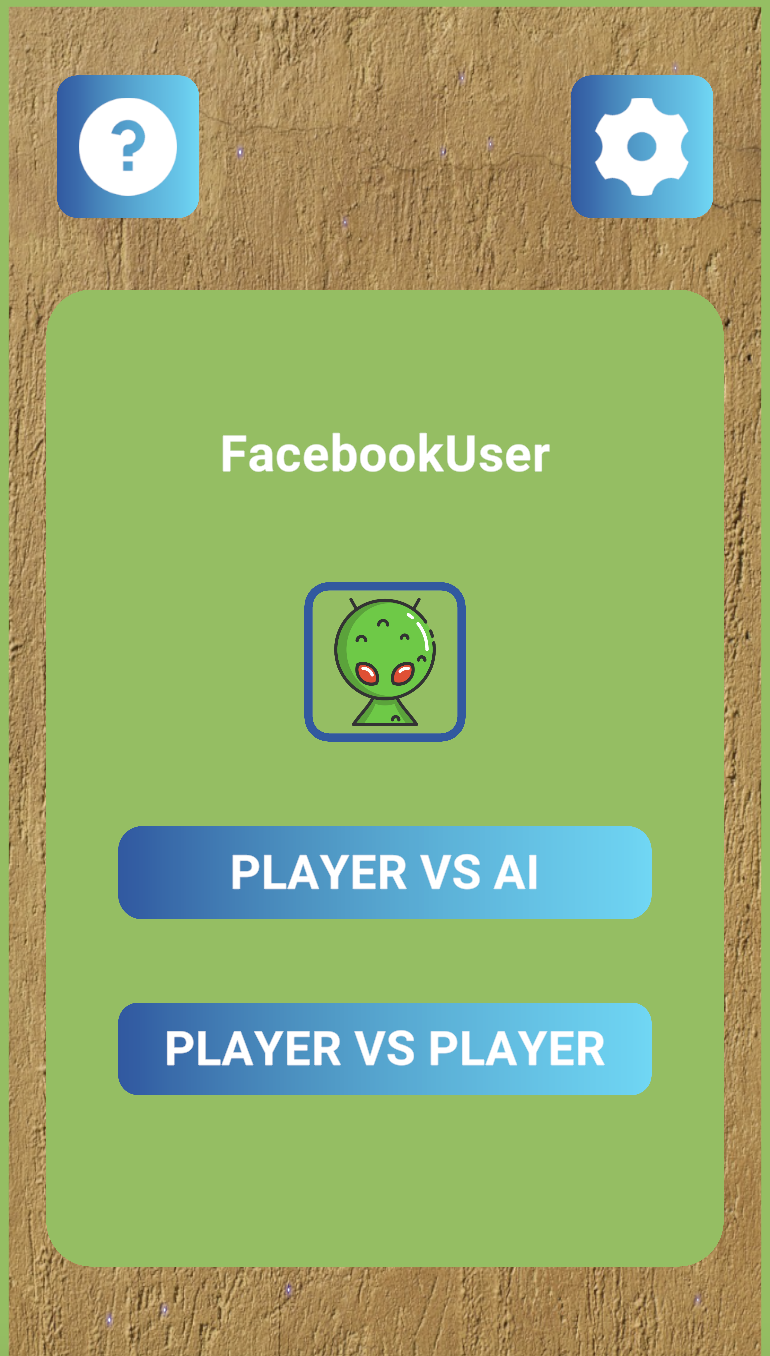
  1. Player selects game mode (AI practice or multiplayer)
  2. Match begins with a round timer and input phase
  3. Both sides lock in numbers before the reveal
  4. Central evaluation resolves the round with transparent reasoning
  5. Results panel shows selections, threshold, and outcome context
  6. Rounds continue until one side reaches four wins
  7. Final results and progression updates persist to the backend

User Interface & Experience

A friendly, high-contrast UI keeps younger players oriented. The seven-step tutorial guides first-time users, while modular panels surface stats, audio controls, and cosmetic options without clutter. Accessibility is reinforced through color coding, iconography, and consistent motion cues.

Explore the interface via the gallery below. Slide through to see matchmaking, input, results, and personalization flows built for clarity.

Opponent selection screen
Matchmaking countdown UI
Round input selection UI
Round result breakdown
Match victory screen
Settings panel with audio sliders
Icon selection interface
Theme selection options
Player profile and stats screen

Backend & Data Management

PlayFab powers authentication and persistent storage, supporting email, username, Facebook, and Google sign-in paths. Match history, ELO, and win/loss/tie statistics sync to the cloud, while local PlayerPrefs caching safeguards progress during temporary connectivity drops.

This dual-layer strategy keeps experiences seamless for younger players and adds resilience for school or travel environments where bandwidth fluctuates.

Live Operations & Business Readiness

The technical stack is engineered for long-term scale. Ads and cosmetic-driven monetization hooks are ready for activation, the architecture supports organic player growth without refactoring, and analytics hooks are prepared to inform balance patches and future content drops.

These systems establish a path toward live operations while keeping the core experience safe and engaging for the target age group.

Value Delivered & Project Success

Number Rangers showcases how deterministic design can unlock meaningful competition within a kid-friendly package. By unifying AI, multiplayer, and backend services under one architecture, the team delivered a production-ready game loop that balances fairness, excitement, and long-term scalability.

The project proves that educational gameplay can coexist with modern live ops expectations, setting the stage for future updates such as seasonal events, new cosmetic themes, and expanded matchmaking tiers.